
From Boss To Coach: The Shift Every Leader Must Make
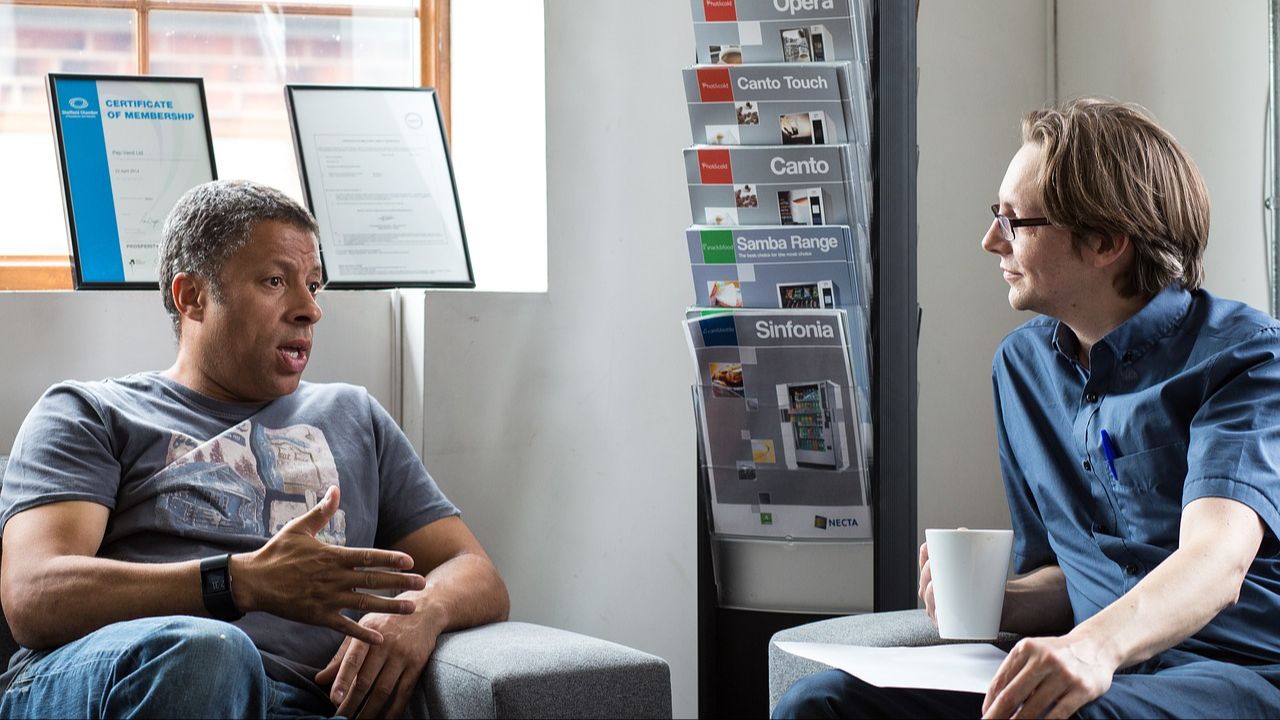
The most generous thing a leader as a coach can do is stop having all the answers.
The first time he stopped answering his team’s questions, three people thought he’d lost his mind.
He had built his whole career on having the answer — fast, sharp, usually right. It was the thing that got him promoted, and then promoted again. By the time he ran the division, his team had learned the rhythm: bring him the problem, he hands back the solution. Efficient. Clean. And quietly, it was hollowing them out.
So one Tuesday, he tried something that felt almost irresponsible. Someone brought him a problem, and instead of solving it, he asked a single question: “What would you do if I weren’t here?” Then he waited. The silence was uncomfortable. But out of it came a tentative answer, and then a better one. By month four, the team was unrecognizable — not because they had gotten smarter, but because someone had finally stopped doing their thinking for them.
I’ve watched this shift play out in boardrooms and one-on-ones for more than three decades, and I can tell you it is one of the hardest moves a leader ever makes. It asks you to give up the very thing that got you here.
Creating a ceiling versus a multiplier
Directing feels like leadership. You see the problem, you know the fix, you save everyone time. But every answer you hand over is a rep your people don’t get to take. Over months and years, you build a team that runs every decision through you — and you become the bottleneck you complain about.
Coaching does the opposite. It is slower in the moment and faster over time. When you ask instead of tell, you are not withholding help; you are building capacity. You are saying, in effect, “I believe you can find this, and I’d rather grow that in you than do it for you.” That is the difference between a team that needs you in the room and a team that can fly the approach without you.
One of those is a bottleneck. The other is a legacy.
Five questions every leader needs this week
You don’t need a certification to begin. You need five questions and the discipline to stay quiet long enough to let the answer come from someone other than you.
- “What would you do if I weren’t here?” — the question that hands ownership back.
- “What have you already tried?” — respects their thinking and surfaces what’s really stuck.
- “What’s the real problem underneath this one?” — moves past the symptom to the cause.
- “What would success actually look like?” — makes the target concrete before solving.
- “What do you need from me?” — asks your role instead of assuming it.
Notice that none of these is “here’s what I’d do.” That is the entire shift. Directing gives them your answer. Coaching gives them theirs.
What Emerging Leaders Need
Five questions will change a single conversation. Building a coaching habit across a leadership team takes a little more structure. That’s the work Andy Hall and I walk leaders through in the Emerging Leader Academy & Leader As A Coach program over 12 months: how to lead and hold conversation that actually moves the work forward, how to know when to coach and how to make this the default way your leaders develop the people under them — so the capacity compounds instead of staying locked in your head creating the company growth bottleneck
How to coach without losing your edge as a leader
Leaders often worry that coaching means going soft — that if they stop having the answers, they’ll lose authority. The opposite is true. Coaching is not the absence of conviction; it is conviction with patience. There are still moments to decide fast and direct clearly, and a good leader knows which moments those are. The skill is not abandoning your judgment. It is refusing to let your judgment become the only judgment in the room.
The cost of staying the smartest person in the room is that you guarantee you’ll always have to be. Your calendar fills with decisions only you can make, because you trained everyone to bring them to you. Coaching is how you buy your time — and your team’s growth — back.
Frequently asked questions
What is Emerging Leader Academy and Leader As A Coach?
Emerging Leader Academy and Leader As A Coach is a combination program that incorporates an approach to leadership in which a manager develops their people primarily by asking questions and building their problem-solving capacity, rather than directing them by supplying answers. The curriculum takes advantage of human learning science and behavior change through leadership lessons and live interactive conversations with a mentor and peers. The goal is developing a team that grows more capable and less dependent on the leader over time.
How does a leader coach their team?
A leader coaches by resisting the urge to solve and instead asking questions that hand ownership back — such as “What would you do if I weren’t here?” or “What’s the real problem underneath this one?” — then staying quiet long enough for the other person to think it through. Coaching is paired with knowing when a situation genuinely calls for a fast decision instead.
What’s the difference between managing and coaching?
Managing tends to focus on directing tasks, systems, processes and supplying solutions to keep work moving. Coaching focuses on developing the person so they can find solutions themselves. Managing optimizes for the next deliverable; coaching optimizes for long-term capacity. The strongest leaders do both, and know which the moment requires.
If you want to talk about making this shift on your own team, reach out to schedule a 30-minute conversation: david@davidmcglennen.com

Stay connected with me and receive my updates!
Recent Posts
